
The Long Walk’s Historical Archive
The Long WalkThis flow follows the remembered earlier Walks that turn the current contest into part of a repeated historical pattern rather than an isolated tragedy.
increasing Bearing strength in each event
 decreasing
Bearing strength in each eventdecreasingChildhood Spectator
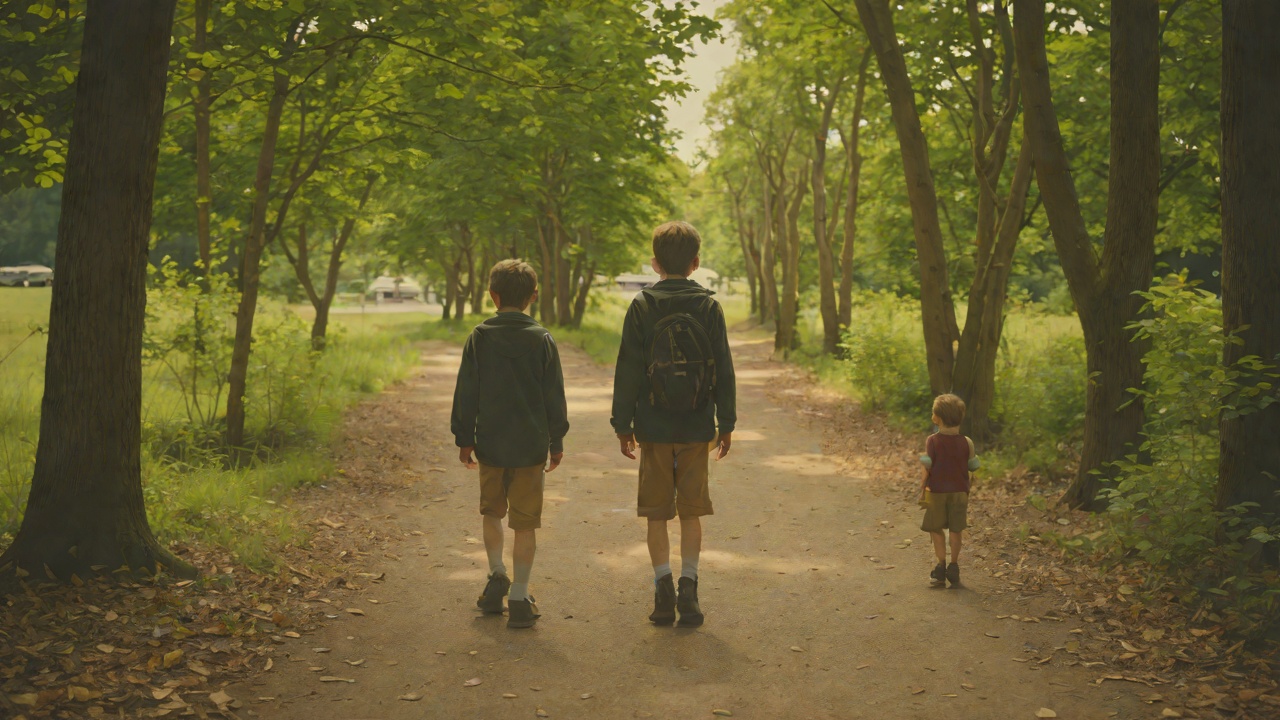
Childhood Spectator
Memory
Ray remembers attending a Long Walk with his parents and seeing exhausted boys pass through Freeport. At ten, he understood the event as spectacle.
Reversal
Now he occupies the road himself. The memory becomes a judgment on the innocence of watching.
Record of Distance
Record of Distance
Measure
The Major announces that a full group has never exceeded seven and three-quarter miles before. The Walkers are invited to break a record.
Irony
The record makes early death into athletic history. Progress is valuable only because it promises a larger future body count.
Previous Finalists
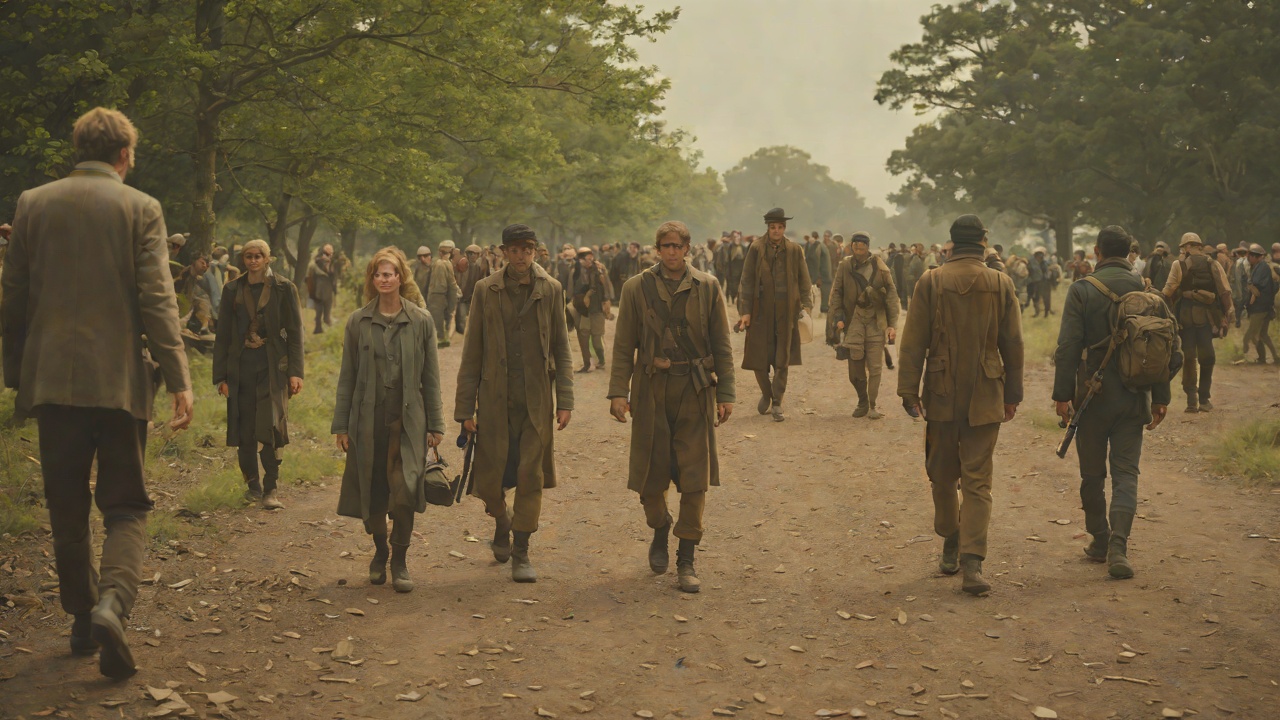
Previous Finalists
Witness
Stebbins describes two final Walkers who could barely move and a crowd that trampled spectators to see them. The past supplies images for the present’s future.
Pattern
The current Walk is not exceptional in its cruelty. It repeats a social script that has already been accepted as tradition.
Reggie Cotter
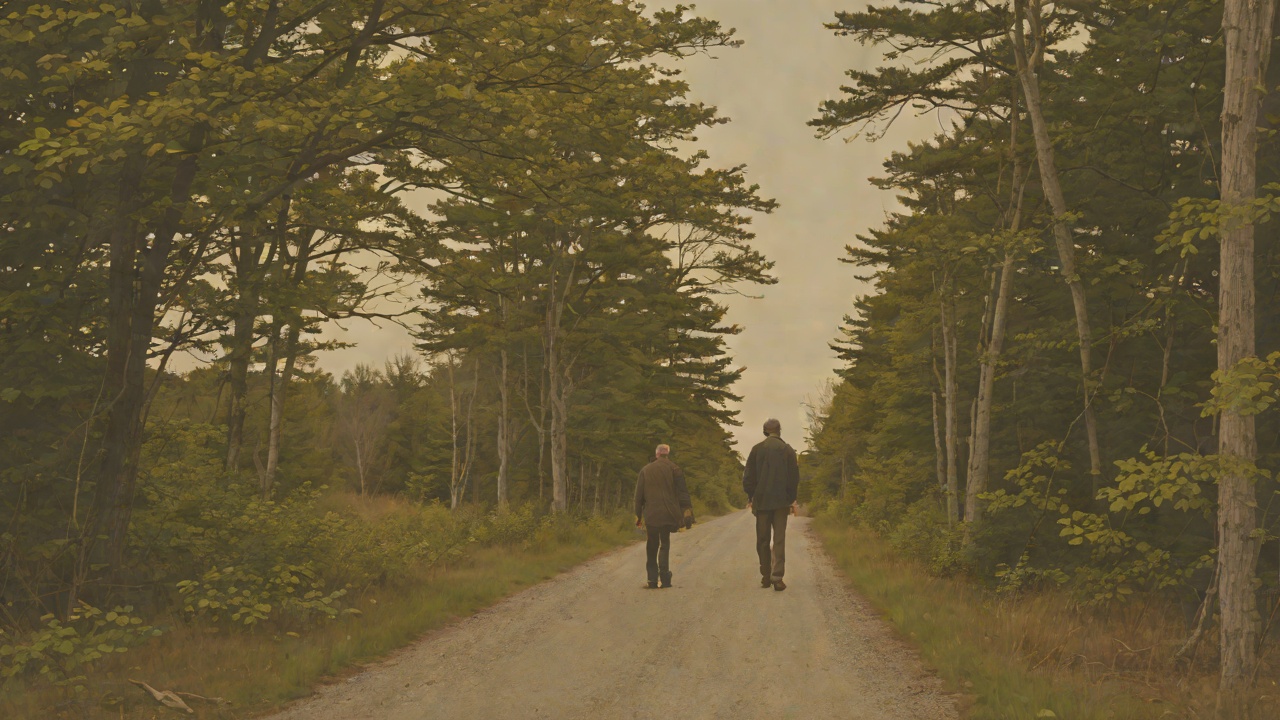
Reggie Cotter
Local Legend
Ray recalls Reggie Cotter, the only Maine winner, who completed the Walk half-blind and died soon afterward from a brain clot.
Warning
Victory does not guarantee life after the finish. Reggie’s history undermines the Prize’s promise of a meaningful future.
Massachusetts Record
Massachusetts Record
Achievement
The remaining Walkers become the first group in seventeen years to reach Massachusetts. Public celebration treats geography as proof of greatness.
Repetition
The record does not liberate them from the historical pattern. It only gives the next generation another spectacle to remember.
years before May 1
May 1 afternoon
May 1 night
May 3 night near Lewiston
May 4 morning
